How Film Scores Shape Audience Memory: The Science Behind Musical Motifs
Ever notice how a few notes can yank you right back to a movie scene you haven’t thought about in years? That’s not magic—it’s psychology, and it’s all about the score. I’ve spent countless nights re‑watching films just to hear that one haunting violin line or that brass fanfare that makes my heart thump. In this post I’ll walk you through why those musical motifs stick in our brains, and I’ll hand‑pick a handful of movies where the scores are practically characters themselves. Grab some popcorn, turn the volume up, and let’s explore how film scores shape audience memory.
Why These Films Hit Different
First off, our brains love patterns. When a composer repeats a melody whenever a particular character appears, our subconscious tags that tune with the character’s emotions, motives, and even their fate. The next time we hear that motif—whether it’s a swell of strings or a low synth pulse—we instantly recall the whole narrative arc tied to it. Neuroscientists have found that music activates the hippocampus, the region responsible for forming and retrieving memories. So a well‑crafted musical motif doesn’t just set the mood; it becomes a mnemonic device that anchors the story in our long‑term memory.
Second, the emotional punch of a score amplifies what we remember. A simple scene of a child looking out a window might be forgettable, but add John Williams’ soaring theme from E.T. and that same visual becomes iconic. The synergy between image and sound creates a “dual coding” effect: we store the visual and auditory information together, making the recollection richer and more durable. That’s why the same film can feel completely different when you mute the soundtrack—your brain loses half of its memory cues.
Now that we’ve unpacked the science, let’s see it in action. Below are movies where the composers didn’t just write background music; they built sonic fingerprints that still echo in pop culture. Each title showcases a different way a motif can shape audience memory—sometimes brilliantly, sometimes a little over‑done.
The Movies You Need to Watch
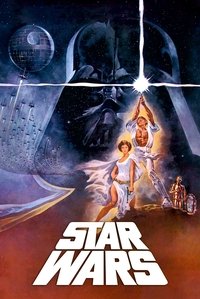
Star Wars (1977)
Princess Leia is captured and held hostage by the evil Imperial forces in their effort to take over the galactic Empire. Venturesome Luke Skywalker an...
1. Star Wars: A New Hope (1977)
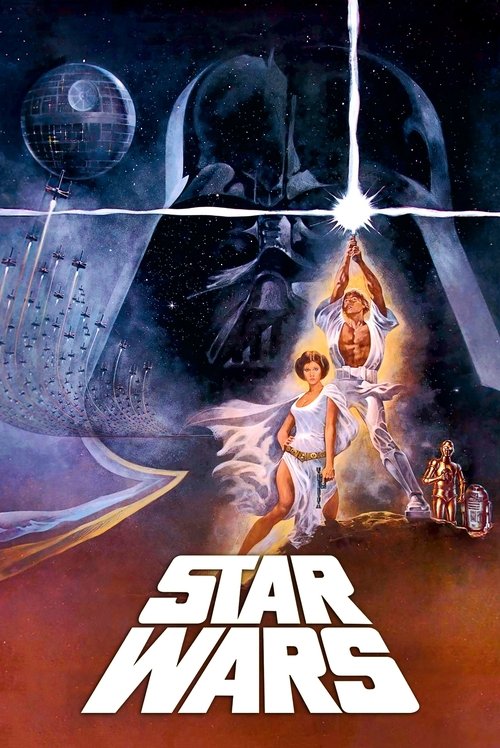
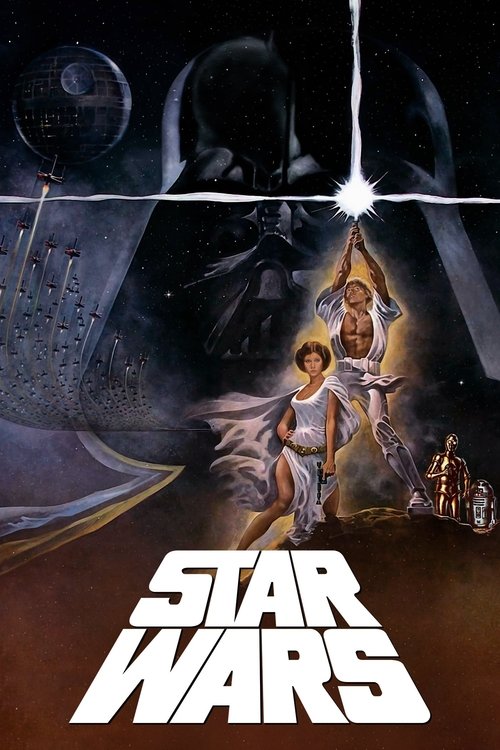
Director: George Lucas | IMDB: 8.6/10 John Williams introduced the “Force Theme,” a simple five‑note phrase that resurfaces whenever the saga touches destiny or sacrifice. The motif is instantly recognizable, even to people who have never seen the film. However, the score can be a bit heavy‑handed; the same triumphant brass blasts play out in every battle, which may feel repetitive after a while. 🎬 Watch on Amazon Prime Video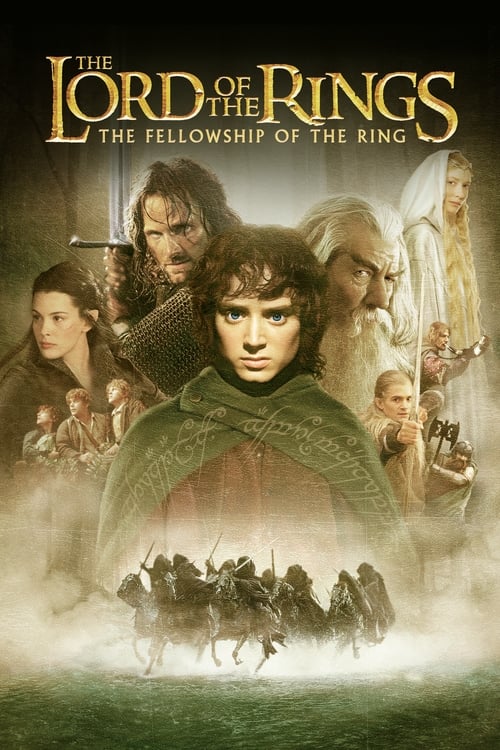
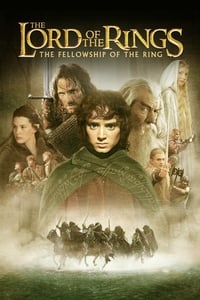
The Lord of the Rings: The Fellowship of the Ring (2001)
Young hobbit Frodo Baggins, after inheriting a mysterious ring from his uncle Bilbo, must leave his home in order to keep it from falling into the han...
2. The Lord of the Rings: The Fellowship of the Ring (2001)
Director: Peter Jackson | IMDB: 8.8/10 Howard Shore’s “Shire Theme” is a gentle folk‑tune that instantly transports you to Hobbiton, while the “Ring Theme” uses a low, ominous horn that grows louder each time the One Ring appears. The juxtaposition of these motifs underscores the film’s clash between innocence and darkness. On the downside, some of the leitmotifs linger a bit too long in the credits, stretching the emotional payoff. 🎬 Watch on Amazon Prime Video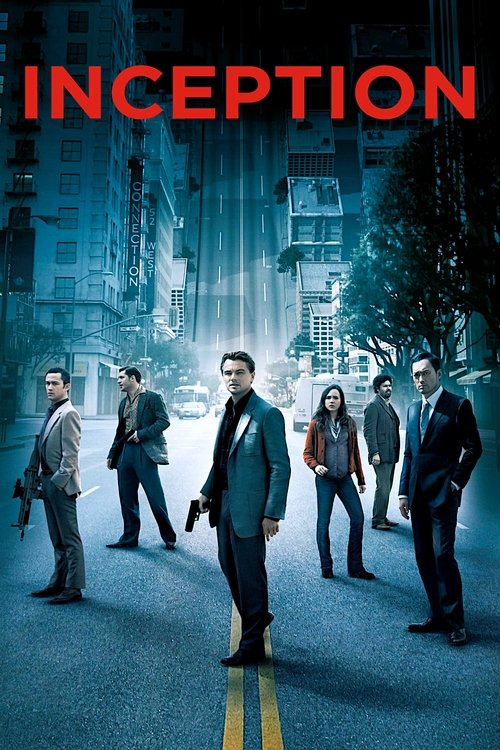
Inception (2010)
Cobb, a skilled thief who commits corporate espionage by infiltrating the subconscious of his targets is offered a chance to regain his old life as pa...
3. Inception (2010)
Director: Christopher Nolan | IMDB: 8.8/10 Hans Zimmer’s “BRAAAM” sound—those deep, resonant brass hits—has become a meme, but the underlying “Time” motif, a slow piano arpeggio, ties together the film’s layered realities. The music’s relentless pulse mirrors the ticking clock, making the climax feel almost physical. Still, the excessive use of the BRAAAM in trailers has diluted its impact, and some viewers find the score overly aggressive. 🎬 Watch on Amazon Prime Video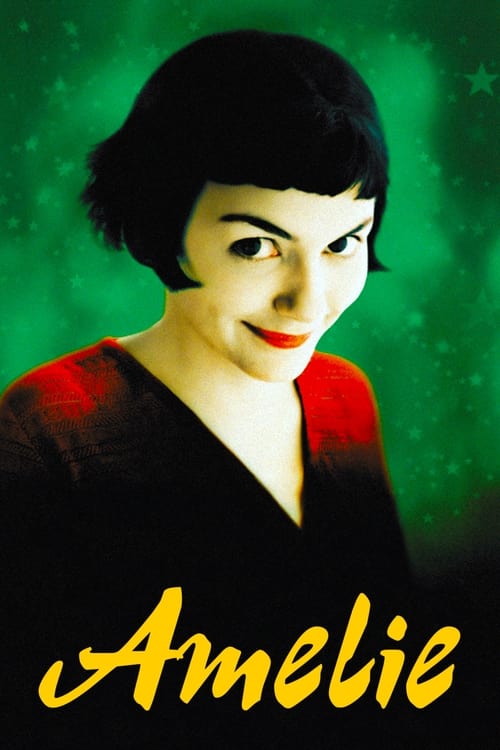
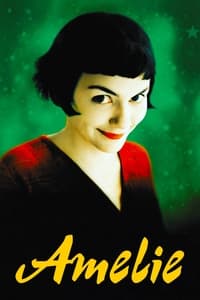
Amélie (2001)
At a tiny Parisian café, the adorable yet painfully shy Amélie accidentally discovers a gift for helping others. Soon Amelie is spending her days as...
4. Amélie (2001)
Director: Jean‑Pierre Jeunet | IMDB: 8.3/10 Yann Tiersen’s accordion‑driven melodies act like a musical diary of Parisian whimsy. The recurring “Comptine d’un autre été” motif follows Amélie’s secret acts of kindness, making each good deed feel like a warm hug. The score’s charm can border on saccharine, and the same piano loop repeats so often that it risks sounding like a ringtone. 🎬 Watch on Amazon Prime Video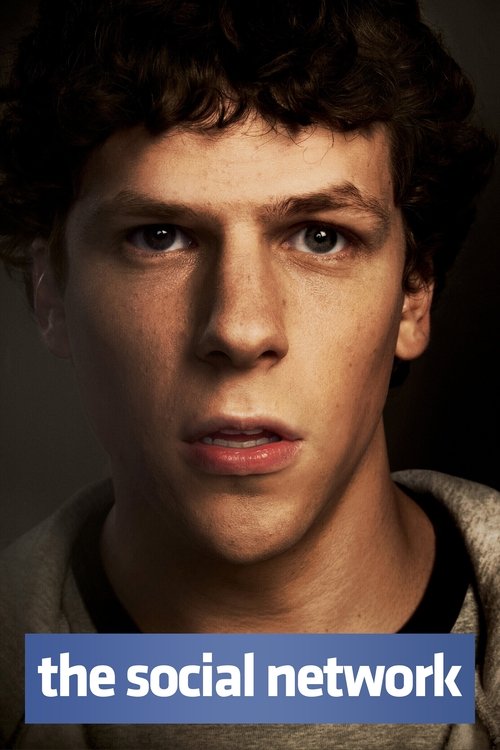
The Social Network (2010)
In 2003, Harvard undergrad and computer programmer Mark Zuckerberg begins work on a new concept that eventually turns into the global social network k...
5. The Social Network (2010)
Director: David Fincher | IMDB: 7.7/10 Trent Reznor and Atticus Ross crafted a minimalist, pulsing electronic theme that mirrors Mark Zuckerberg’s relentless drive. The motif’s repetitive synth pattern sticks in your head like a code snippet, reinforcing the film’s tech‑savvy vibe. Occasionally the score feels too cold, creating an emotional distance that undercuts the human drama. 🎬 Watch on Amazon Prime Video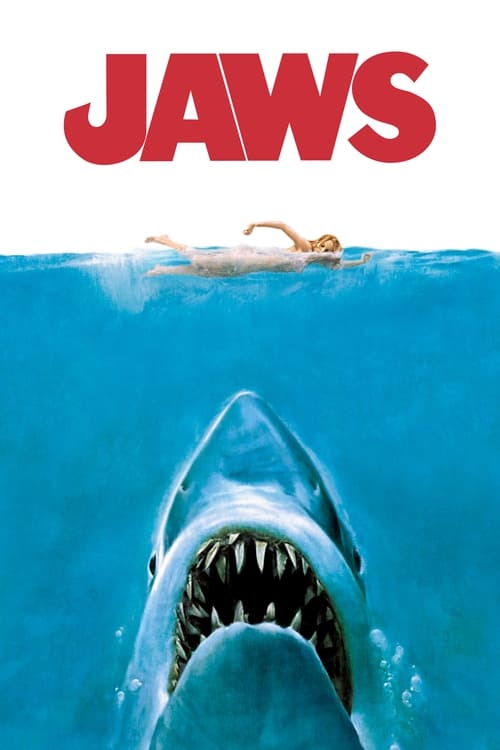
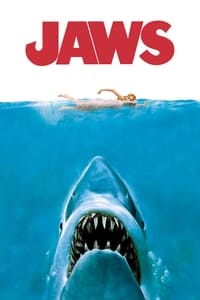
Jaws (1975)
When the seaside community of Amity finds itself under attack by a dangerous great white shark, the town's chief of police, a young marine biologist, ...
6. Jaws (1975)
Director: Steven Spielberg | IMDB: 8.0/10 John Williams again, this time with two simple notes—“da‑da‑da‑da‑da”—that have become the universal sign for impending danger. The motif’s sparseness is its genius; it builds tension without ever showing the shark. The only flaw is that the same two notes are used so often that they can feel gimmicky when the film is watched with modern sound systems. 🎬 Watch on Amazon Prime Video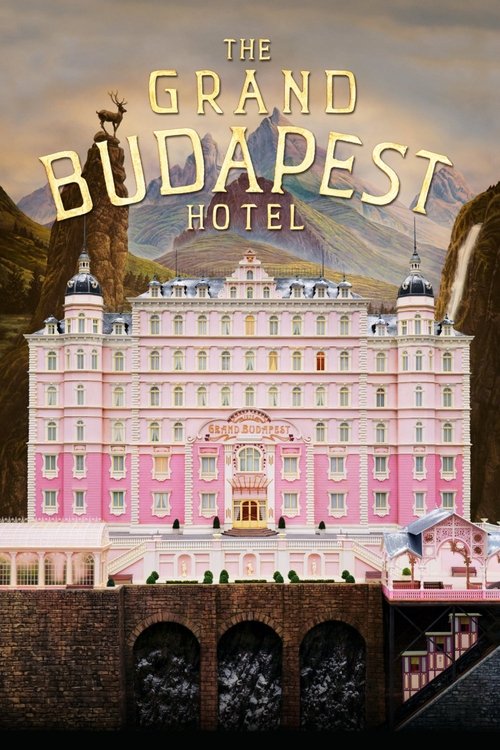
The Grand Budapest Hotel (2014)
The Grand Budapest Hotel tells of a legendary concierge at a famous European hotel between the wars and his friendship with a young employee who becom...
7. The Grand Budapest Hotel (2014)
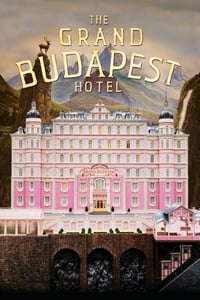
Director: Wes Anderson | IMDB: 8.1/10 Alexandre Desplat’s score is a quirky blend of Eastern European folk and 1930s lounge music. The “Mendl’s Cake” motif recurs whenever the plot turns to confectionery intrigue, adding a playful layer that matches Anderson’s visual symmetry. At times the music is so stylized it competes with the dialogue, making it hard to focus on the actors’ lines. 🎬 Watch on Amazon Prime Video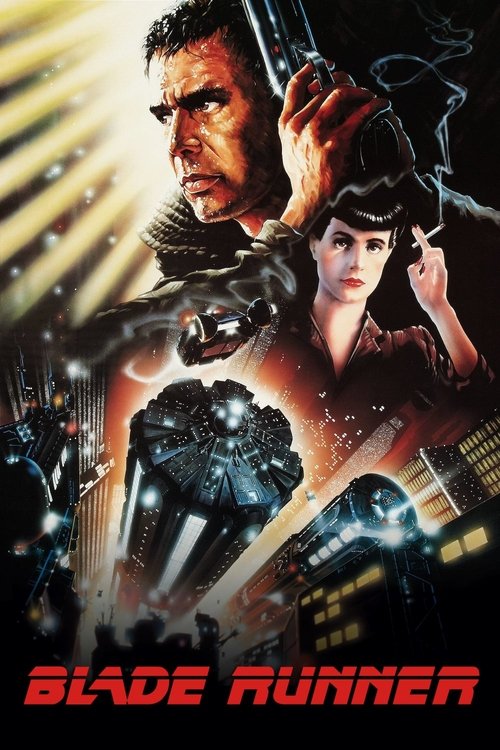
Blade Runner (1982)
In the smog-choked dystopian Los Angeles of 2019, blade runner Rick Deckard is called out of retirement to terminate a quartet of replicants who have ...
8. Blade Runner 2049 (2017)
Director: Denis Villeneuve | IMDB: 8.0/10 Hans Zimmer and Benjamin Wallfisch created an atmospheric synth‑driven soundscape, with a mournful cello motif that underscores the protagonist’s existential crisis. The music amplifies the film’s bleak neon aesthetic, turning every desert walk into a meditation. Some critics argue the score leans too heavily on the original Blade Runner’s legacy, making the new film feel like a homage rather than an evolution. 🎬 Watch on Amazon Prime Video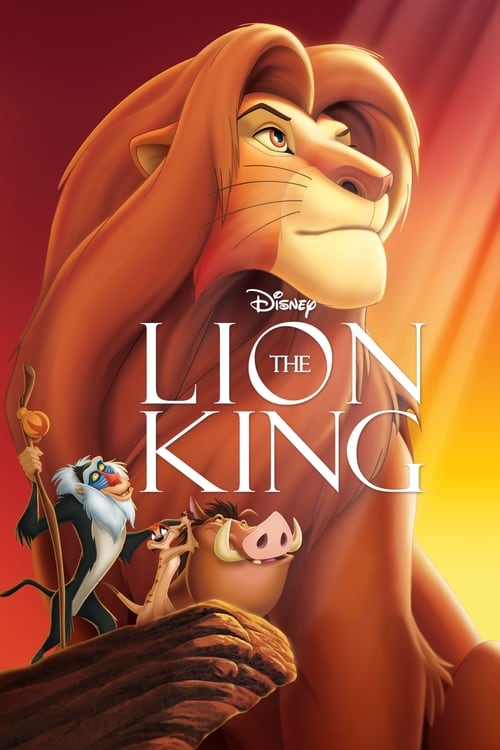
The Lion King (1994)
Young lion prince Simba, eager to one day become king of the Pride Lands, grows up under the watchful eye of his father Mufasa; all the while his vill...
9. The Lion King (1994)
Director: Roger Allers & Rob Minkoff | IMDB: 8.5/10 Hans Zimmer’s African‑inspired orchestration blends with Elton John’s pop‑song sensibility, while composer Lebo M provides a recurring “Circle of Life” chant that anchors the film’s themes of birth, death, and destiny. The motif resurfaces during the opening sunrise and again in the final montage, cementing the narrative’s cyclical nature. Occasionally the choral parts overpower the dialogue, forcing the viewer to strain to catch key lines. 🎬 Watch on Amazon Prime Video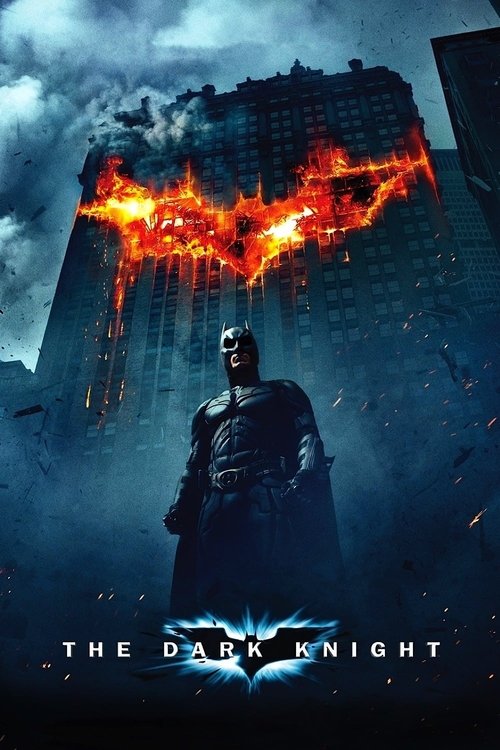
The Dark Knight (2008)
Batman raises the stakes in his war on crime. With the help of Lt. Jim Gordon and District Attorney Harvey Dent, Batman sets out to dismantle the rema...
10. The Dark Knight (2008)
Director: Christopher Nolan | IMDB: 9.0/10 Hans Zimmer and James Newton Howard devised a jagged, dissonant two‑note motif for the Joker, a sound that feels as unsettling as the character himself. The motif’s irregular rhythm mirrors the villain’s chaotic logic, making every appearance feel like a psychological jolt. The score’s heavy reliance on low-frequency rumble can be overwhelming on smaller speaker systems, muting some of the finer orchestral details. 🎬 Watch on Amazon Prime Video---
When you watch any of these films with the volume turned up, pay attention to how the recurring musical ideas pop up at key moments. That’s the science of how film scores shape audience memory in action. Some scores are subtle whisper‑notes; others are bold brass calls. Either way, they leave a sonic imprint that makes the story linger long after the credits roll.
If you’re curious about the brain‑science side, check out studies on “musical leitmotif and memory consolidation”—they’ll confirm what we’ve all felt: a well‑placed melody can turn a fleeting scene into a lifelong memory.
Enjoy the re‑watch, and let those motifs do their thing.